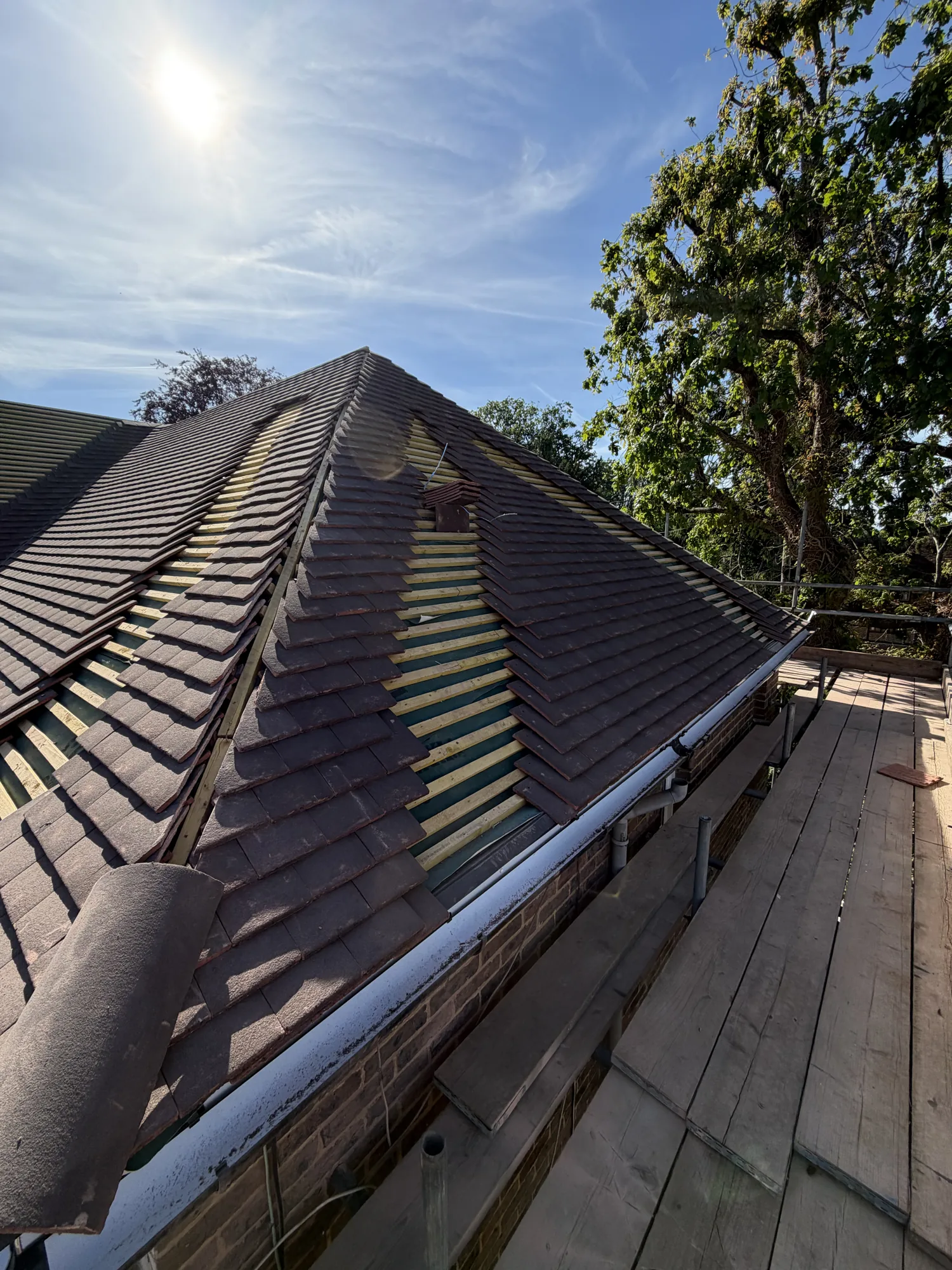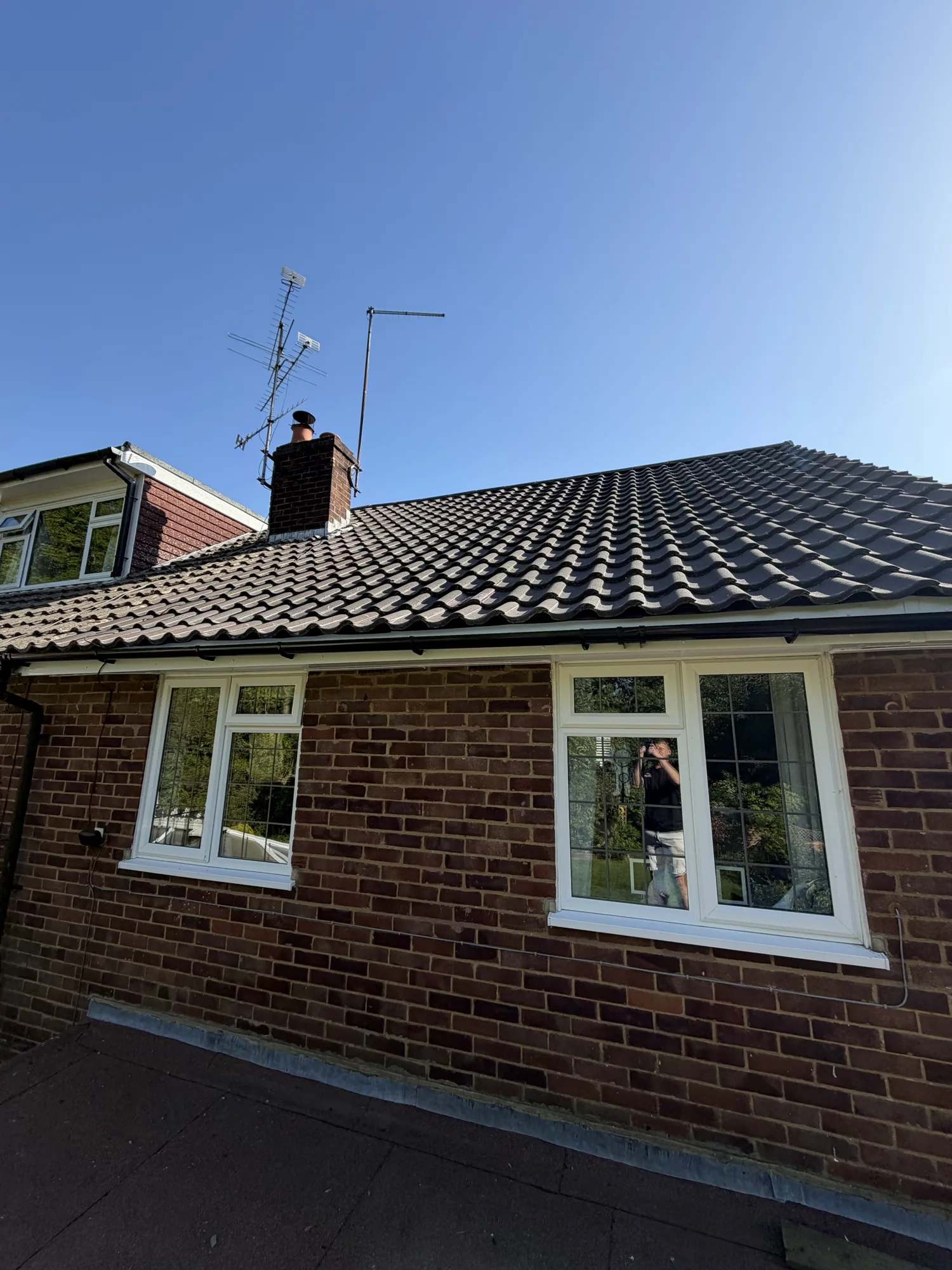
Fascias, soffits and gutters protect the edge of your roof and carry rainwater away from your walls. Watch for rotten or cracked boards, peeling paint, sagging or leaking gutters and damp around the roof edge. Keeping gutters clear and replacing tired boards and guttering in good time prevents damp and protects the roof timbers behind them.
Fascias, soffits and gutters do a quiet but vital job at the edge of your roof, and most of us never give them a second thought until something goes wrong. Yet these are the parts that keep rainwater moving away from your walls and stop water getting behind the roof and into the timbers. Looking after them is one of the simplest ways to protect your home from damp and avoid a much bigger repair later. Here is what they do, how to spot trouble, and when it is time to put them right.
Why the Roof Edge Matters
The fascias, soffits and gutters work together as the edge of your roof, and each has its own part to play.
- Fascias: The upright boards fixed along the ends of the rafters, running around the roof edge. They carry the guttering and close off the roof so wind and water cannot get behind it.
- Soffits: The boards tucked underneath the fascia, bridging the gap between the wall and the roof edge. They keep the eaves closed off while allowing the roof to breathe, which helps prevent condensation in the loft.
- Gutters and downpipes: These catch the rainwater running off the roof and carry it down and away from the building, so it does not pour down your walls or soak into the foundations.
When all three are in good order, water is guided cleanly off the roof and away from the house. When one fails, water starts finding its way where it should not, and that is when damp, rot and staining begin.
Signs They Are Failing
Most problems at the roof edge are easy to spot from the ground once you know what to look for. Keep an eye out for these.
- Rotten or soft timber: On older timber boards, dark patches, flaking or wood that looks soft and spongy are signs of rot from water getting in. Once rot starts, it spreads.
- Cracked or warped boards: Boards that have cracked, split or bowed out of line let water behind them and no longer close off the roof edge properly.
- Peeling paint: Paint that keeps blistering and peeling on painted timber is usually a sign of moisture underneath, and often the first hint that the board behind is starting to go.
- Sagging gutters: Guttering that dips or pulls away from the wall will not drain properly. Water pools in the low spots, overflows and spills down the wall.
- Leaking or overflowing gutters: Water running down the wall, dripping from joints, or spilling over the front edge in the rain all point to blockages, failed joints or the wrong fall.
- Blocked gutters: Plants growing out of the gutter, or water that stands rather than drains, mean the gutter is clogged with leaves and debris.
- Damp at the roof edge: Green staining, damp patches or moss on the wall just below the guttering are a strong sign water is escaping where it should not.
- Birds or pests getting in: Gaps in damaged soffits are an open invitation to birds and pests to nest in the eaves.
Fascias, Soffits or Gutters Looking Tired?
Call AMB Roofing on 07557 654833. We will take a proper look and give you a free, no obligation quote across East Grinstead, Sussex and Surrey.
Call for a Free QuoteKeeping Your Gutters Clear
Of everything at the roof edge, gutters are the part that most benefits from a bit of regular attention. Keeping them clear is cheap, and it prevents a surprising number of damp problems.
- Clear them at least once or twice a year: Autumn is the key time, once the leaves have come down. A second check in spring catches any build-up from over the winter.
- Watch the trees: If you have trees near the house, your gutters will fill faster and need clearing more often.
- Check after storms: Heavy wind and rain can wash debris, moss and even tile grit into the gutters, so it is worth a look once the weather settles.
- Look while it rains: A wet day is the best time to spot a problem. Water spilling over the edge, dripping from a joint or not reaching the downpipe tells you exactly where the trouble is.
- Stay safe: Working at height off a ladder is where a lot of accidents happen. If the gutters are high, awkward to reach or you are not confident, it is far better to have someone do it for you.
Clear gutters that drain freely keep water moving away from the building. Blocked, overflowing gutters are one of the most common causes of damp walls, so this small job pays off.
When to Repair and When to Replace
Not every problem means replacing everything. The right answer depends on the age and condition of what you already have.
- A repair makes sense when: the problem is isolated, such as one leaking gutter joint, a single cracked board or a blocked downpipe, and the rest of the system is sound. Fixing the one fault is the sensible, cost effective choice.
- Replacement makes sense when: the boards are widely rotten, the guttering is sagging and leaking in several places, or old painted timber has reached the point where it needs constant maintenance. At that stage, patching one part often just means the next part fails soon after.
- Doing the whole edge together: Replacing the fascias, soffits and guttering as one job gives you a properly sealed, watertight roof edge, a consistent finish and far less maintenance down the line. It is usually the better value than repeated repairs on a tired system.
If you are not sure which way to go, an experienced roofer will tell you honestly whether a repair will hold or whether replacement is the smarter long-term choice. That is exactly the sort of straight advice we give at AMB Roofing.
uPVC or Timber
When it is time to replace, one of the first questions is what to fit. Both uPVC and timber have their place.
- uPVC: The popular modern choice. It does not need painting, stands up well to the weather and keeps its finish for many years with very little upkeep beyond an occasional wipe down. For most homes, it is the low maintenance option.
- Timber: Still the right choice in some cases, such as period and character properties, or where you want to match existing timber work. Timber needs painting and looking after over the years, but it can be the better fit for the look of certain homes.
- Matching your property: We can match existing profiles and colours or update the finish, in either material, so the roofline suits your home rather than standing out.
There is no single right answer for every house. It comes down to the style of your property, how much maintenance you want to take on and your budget, and we are happy to talk you through what works best.
Frequently Asked Questions
At least once or twice a year is a good habit, with the main clear-out in autumn after the leaves have fallen. If you have trees near the house, they will fill faster and need doing more often. It is also worth a quick check after heavy storms, which can wash debris and moss into the gutters.
Look for rotten or soft timber, cracked or warped boards, paint that keeps peeling, damp around the roof edge, and pests or birds getting in through damaged soffits. When these appear across the roofline rather than in one small spot, it usually means the boards have reached the end of their life and replacing them protects the roof timbers behind.
Low maintenance uPVC is the popular choice because it does not need painting and stands up well to the weather. Timber can be the better fit on period or character properties, or where you want to match existing work, though it needs painting and upkeep over the years. We will talk you through what suits your home and budget.
Often it makes sense to. Replacing them together gives you a properly sealed, watertight roof edge, a consistent finish and less maintenance down the line, rather than fixing one part and finding the next fails soon after. If only one section has a problem and the rest is sound, a repair may be all you need. We will give you honest advice either way.